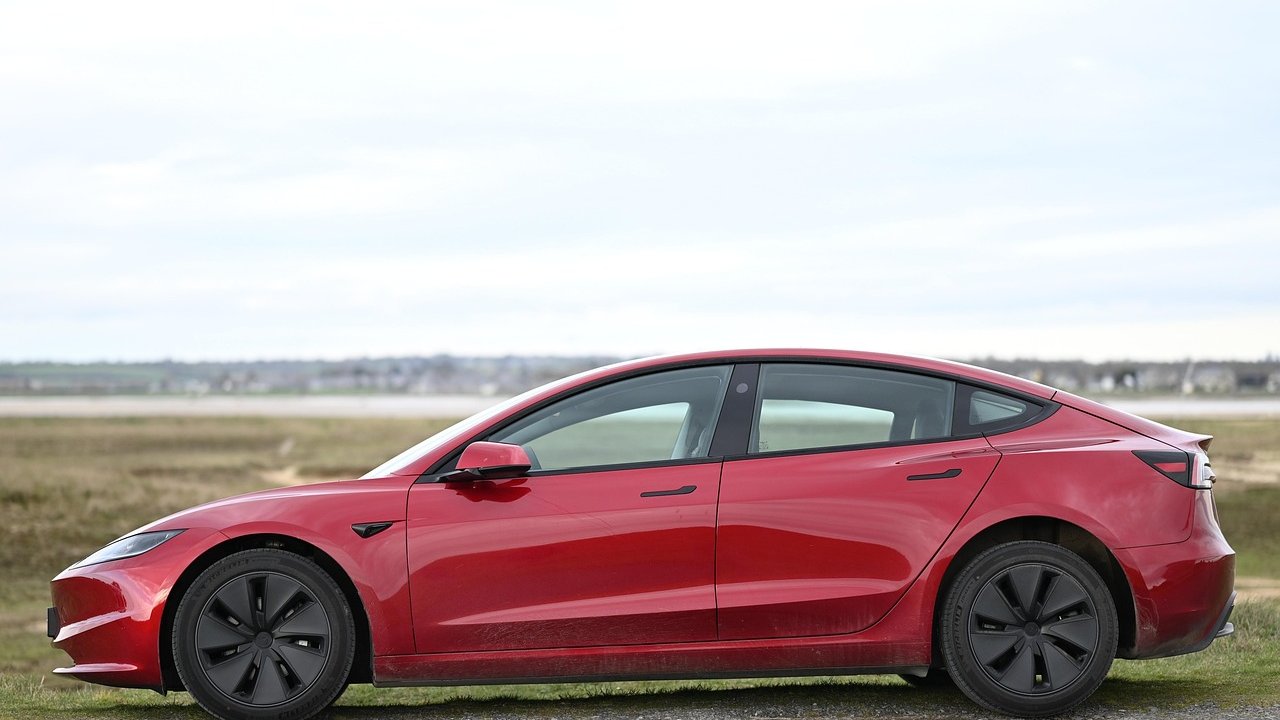
Tesla’s stock has fallen 22.9% in 2026 even as the company reports continued growth in its Full Self Driving (FSD) subscription business and an expanded Robotaxi presence in the United States. The contrast highlights investor attention on whether Tesla can translate its software and autonomous-mobility initiatives into stronger technology-led growth and improved margins.
FSD subscriptions reach 1.48 million
FSD subscriptions rose 56% year over year to 1.48 million, according to the cited analyst assessment. The figure points to growing adoption of Tesla’s subscription-based driver-assistance offering, which has become a central part of the company’s broader effort to build revenue beyond vehicle sales.
However, the reported subscription total does not disclose the pricing, revenue or profit contribution of FSD. It therefore does not by itself show how much the increase has affected Tesla’s financial performance or vehicle profitability.
For Tesla, the expansion of FSD subscriptions is strategically significant because the company’s market case increasingly depends on software, automation and mobility services as well as its electric-vehicle business. The 56% year-on-year increase suggests that FSD remains an important area of customer uptake, but it also leaves investors focused on the scale and economics of that growth.
Robotaxi services expand to seven US cities
The analysis also cites the expansion of Tesla’s Robotaxi services to seven US cities. The company’s Robotaxi strategy is closely tied to its ambitions in autonomous mobility, an area that could ultimately broaden Tesla’s role from vehicle manufacturer to software and transportation-services provider.
Yet the available information does not provide details on the size of the Robotaxi fleets, trip volumes, service revenue or profitability in those markets. It also does not establish how the seven-city footprint is affecting Tesla’s overall financial results.
As a result, the reported Robotaxi rollout should be viewed as evidence of geographic expansion rather than a confirmed measure of commercial success. Investors will likely continue to assess whether the service can develop into a meaningful business while supporting the company’s wider autonomous-driving strategy.
2027 valuation case depends on technology and margins
The analyst view referenced in the report places a $550 target for 2027 on Tesla, but makes that outlook conditional on advances in technology and gains in margins. The report also refers to analysts forecasting 14% upside, although it does not provide the valuation basis or further detail behind that estimate.
That conditional framing is important. FSD subscription growth and Robotaxi expansion are positive operating indicators, but they do not automatically resolve concerns reflected in Tesla’s share-price performance. A technology-driven valuation case depends not only on expanding availability or user numbers, but also on the company’s ability to improve the economics of its products and services.
Tesla’s 22.9% stock decline in 2026 shows that investors have not treated the reported progress in FSD and Robotaxi operations as sufficient on its own. The company’s future market performance, based on the cited assessment, will hinge on whether it can turn its autonomous-driving and mobility initiatives into stronger margins and sustained technology-led growth.