Volkswagen will reveal the new ID. Tiguan in early October, extending one of its best-known SUV nameplates into the battery-electric era. The electric SUV is scheduled to reach markets at the beginning of 2027 and will replace the existing ID.4 and ID.5 in Volkswagen’s line-up, while the combustion- and hybrid-powered Tiguan will remain on sale alongside it.
An established SUV name moves into Volkswagen’s ID. range
The ID. Tiguan is the latest step in Volkswagen’s effort to combine its established model names with its electric ID. family. The company has already announced the ID. Polo and ID. Cross, and says the ID. Tiguan will become the third major familiar name to be carried into its electric portfolio.
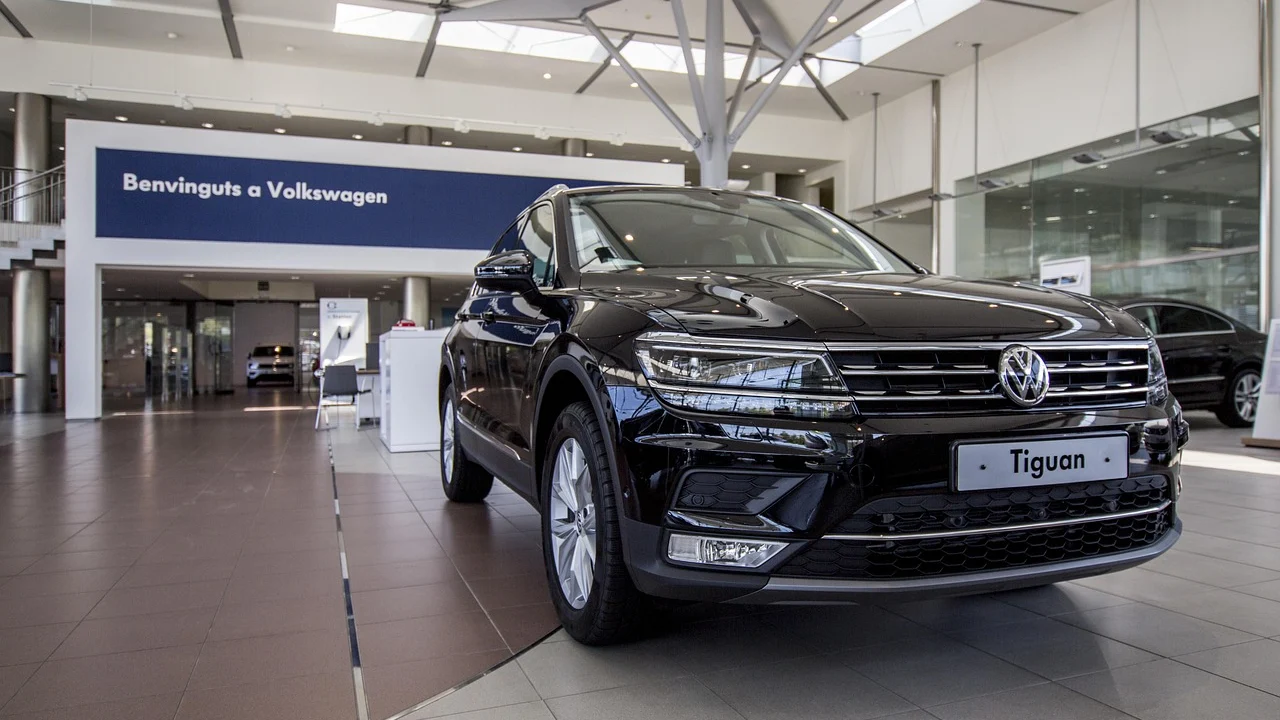
For Volkswagen, the decision reflects the commercial importance of the Tiguan badge. The company says more than 8.3 million Tiguan vehicles have been produced, making it one of the brand’s most significant global products. Volkswagen also describes the Tiguan as its current best-selling model worldwide, both for the Volkswagen brand and across the wider Volkswagen Group.
The badge has developed into a central part of Volkswagen’s SUV strategy, covering a broad customer base in international markets. Volkswagen said deliveries of the Tiguan and its Tayron sister model exceeded one million units in the past year. Those vehicles are currently available with petrol, diesel and plug-in hybrid powertrains.
By applying the Tiguan name to a new electric model, Volkswagen aims to give buyers a clearer point of reference as it expands its battery-electric range. The company argues that an established name can provide orientation for customers who know the Tiguan as a family SUV but are considering an EV for the first time.
The ID. Tiguan will not simply replace the existing combustion-engined Tiguan. Instead, Volkswagen plans to offer both vehicles in parallel, allowing buyers to choose between battery-electric, combustion and hybrid powertrains under the same broader product identity. That approach could help Volkswagen maintain a presence across different markets and charging conditions while EV adoption develops at varying speeds worldwide.
ID. Tiguan to succeed the ID.4 and ID.5
Volkswagen has confirmed that the new electric SUV will succeed the ID.4 and ID.5. The ID.4 is the conventional SUV-bodied member of the pair, while the ID.5 uses a more streamlined fastback design. Together, they have been Volkswagen’s key battery-electric offerings in the medium-sized SUV class since their launch.
According to Volkswagen, more than 950,000 ID.4 and ID.5 vehicles have been delivered since 2021. The company says the two-model series ranks among the Volkswagen Group’s most successful battery-electric vehicle model lines.
The transition to a single ID. Tiguan name suggests Volkswagen is seeking a more direct connection between its electric SUV range and its most established mainstream models. Volkswagen has not yet published detailed technical specifications, including battery capacity, driving range, charging performance, powertrain choices or pricing. It has also not disclosed which markets will receive the model first.
What Volkswagen has confirmed is that the new ID. Tiguan will have a completely new design. The company says the vehicle will have the visual presence of a model from a segment above its actual class. Volkswagen also promises generous interior space, intuitive controls and new technology, although it has not yet provided specifics on the systems that will be fitted.
The manufacturer is still running development testing with camouflaged vehicles ahead of the world premiere. The early-October reveal should provide the first full view of the production model and clarify how Volkswagen intends to position the ID. Tiguan against both the existing ID.4 and ID.5 and the conventional Tiguan range.
Volkswagen’s dual-powertrain strategy
Thomas Schäfer, CEO of the Volkswagen brand, head of Brand Group Core and a member of Volkswagen AG’s Board of Management, said the model name’s production history demonstrates the customer confidence associated with the Tiguan.
“More than 8.3 million Tiguan vehicles produced demonstrate the strength and trust associated with this model name,” Schäfer said. He described the Tiguan as a versatile, premium vehicle and said Volkswagen intends to carry that product promise into the electric era with the ID. Tiguan.
Schäfer said the electric model will build on the strengths of the established SUV, with a focus on design, space, usability and technology. He also stressed that the electric ID. Tiguan and the combustion and hybrid Tiguan would form a combined offering for customers with different powertrain preferences.
That parallel strategy is significant for Volkswagen because SUVs remain a major volume driver, while the company must continue expanding its electric portfolio. Rather than forcing a single drivetrain transition under one model line, Volkswagen is preparing to serve several customer groups at once: buyers ready for a battery-electric SUV, customers seeking plug-in hybrid capability and those still choosing petrol or diesel models.
Volkswagen’s naming strategy also signals an attempt to make its EV range more immediately recognisable. The ID.4 and ID.5 have established themselves as important electric models for the group, but the Tiguan name carries a much longer production history and a clearer association with Volkswagen’s mainstream SUV business.
More information will be available when Volkswagen presents the vehicle in early October. Until then, the confirmed picture is limited: the ID. Tiguan will be an all-electric successor to the ID.4 and ID.5, it will retain a major Volkswagen SUV name, and it is expected to arrive in markets at the beginning of 2027 alongside the existing combustion and hybrid Tiguan.